April 30, 2026
Maintaining good oral health during pregnancy is more important than many expectant mothers realize, as hormonal changes can significantly impact the teeth and gums. This article explores why consistent oral care and professional guidance—particularly from oral surgeons—play a vital role in protecting both maternal and fetal health. Pregnancy can increase the risk of conditions such as gingivitis, enamel erosion, and gum sensitivity, making preventive care essential rather than optional. By understanding how pregnancy affects oral health and what steps can be taken to manage it, expectant mothers can make informed decisions that support a healthier pregnancy overall.
Understand Hormonal Changes and Their Impact on Oral Health
During pregnancy, hormonal fluctuations significantly affect a woman's oral health, particularly due to increased levels of progesterone and estrogen. These hormonal shifts can increase blood flow to gum tissues, making them more sensitive, irritable, and swollen, a condition commonly referred to as pregnancy gingivitis. Pregnant women are advised to pay attention to brushing and flossing regularly to minimize the risk of gingivitis, which can develop into more severe periodontal disease if left unmanaged.
The influence of hormones can also exacerbate pre-existing dental conditions, making timely dental checkups crucial. Oral surgeons can effectively monitor and address any oral health changes during pregnancy, thereby preventing further complications. Pregnant women with untreated periodontal disease may experience increased pregnancy-related risks and adverse birth outcomes. Therefore, recognizing hormonal impacts on oral health and preemptively seeking dental consultations becomes an integral step for expectant mothers.
Address Common Pregnancy-Related Dental Conditions
Pregnancy brings about a range of changes in the body, and oral health is no exception. Among the most common issues pregnant women face is gingivitis, which can lead to more severe gum disease if not treated properly. Additionally, pregnancy tumors, small, non-cancerous growths that form between teeth, can occur due to excess plaque. Oral surgeons stress the importance of addressing these issues early on to reduce discomfort and prevent potential complications.
Another concern for pregnant women is the increased risk of cavities, which can arise from dietary changes and a heightened craving for sugary foods. Saliva production may decrease due to hormonal changes, reducing the mouth's natural ability to cleanse itself and increasing the likelihood of cavity formation. This underscores the need for proactive and preventive dental care, as guided by oral surgeons. According to Unnus, poor oral hygiene can increase a pregnant woman to be seven times more likely to deliver their baby prematurely. Regular checkups and professional cleanings play a critical role in managing these risks.
Manage Morning Sickness and Protect Tooth Enamel
Morning sickness, a common symptom of pregnancy, can have detrimental effects on oral health due to frequent vomiting. The vomit contains stomach acids, which can erode the enamel on teeth, making them more prone to decay and cavities. Constant exposure to these acids can weaken the enamel, leading to increased sensitivity and discomfort. Oral surgeons recommend rinsing the mouth with water or a mixture of baking soda and water after vomiting to neutralize these acids.
The frequent and sometimes constant nature of morning sickness necessitates specific oral care strategies to protect tooth integrity. Brushing teeth immediately after vomiting might seem intuitive, but it can actually harm the enamel further when softened by acids. Waiting at least an hour before brushing gives the enamel a chance to re-harden. This advice, commonly provided by oral surgeons, can help preserve the strength of enamel and prevent further erosive damage.
Schedule Regular Dental Checkups During Pregnancy
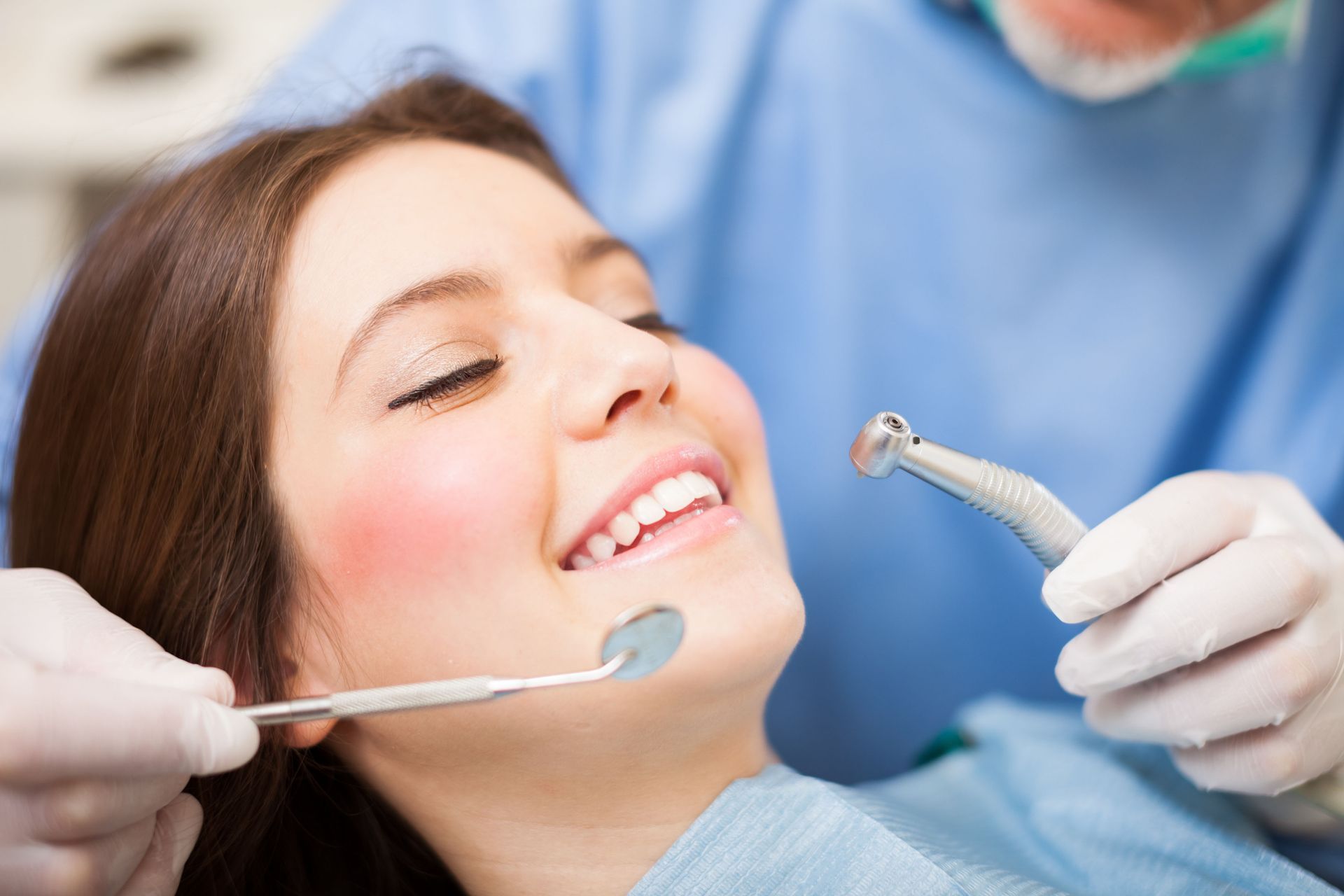
Regular dental checkups are vital for maintaining oral health during pregnancy, helping to monitor and manage any changes or complications that may arise. Oral surgeons play a crucial role in these checkups, providing professional assessments and tailored advice. They can identify early signs of gum disease or other oral conditions, allowing for timely intervention and treatment. Such proactive care can prevent minor issues from developing into more severe health challenges for the mother and baby.
Practice Preventive Oral Care Habits Daily
Implementing preventive measures during pregnancy is paramount in maintaining optimal oral health. Pregnant women are encouraged to continue routine oral hygiene practices, with special attention to adapting their habits to account for any changes in their oral health. This includes regular brushing and flossing, as well as using mouthwash to combat plaque buildup. Oral surgeons often recommend toothpaste with fluoride, known for its enamel-strengthening properties.
Maintain a Healthy Diet to Support Oral Health
Expectant mothers can take additional steps to bolster their oral and general health, such as eating a balanced diet that supports oral hygiene. Consuming foods high in vitamins and minerals, like dairy products, fruits, and vegetables, can protect and strengthen the teeth. Staying hydrated also assists in natural saliva production, which helps cleanse the mouth and prevent decay. Oral surgeons and dental professionals can offer personalized nutritional guidance tailored to their patients' specific needs.
Follow Proper Daily Oral Hygiene Techniques
Maintaining a robust oral hygiene routine is crucial during pregnancy to combat the enhanced risk of dental issues. Daily brushing with fluoride toothpaste is fundamental, as it helps in preserving enamel strength and preventing cavities. Flossing complements brushing by reaching and cleaning areas between the teeth that a brush cannot access, effectively decreasing plaque accumulation.
Support Dental Health Through Nutrition Choices
Nutrition plays a significant role in maintaining oral health, with dietary choices impacting both the mother's dental condition and the developing fetus. A well-balanced diet rich in essential nutrients supports oral health by fortifying teeth and gums. Dairy products, leafy greens, and nuts are excellent sources of calcium, crucial for maintaining the strength and integrity of tooth enamel. Regular consumption of vitamin C-rich foods can enhance gum health and ward off potential infections.
Recognize and Treat Gum Sensitivity Related to Pregnancy
Sensitivity and gum issues can become more pronounced during pregnancy due to hormonal changes, warranting special attention and care. Swollen, bleeding gums signal inflammation that can escalate into gingivitis if untreated. Prompt response to these symptoms is crucial to preventing progression into more severe periodontal disease. Oral surgeons can offer specific treatments and tips to help manage these concerns while maintaining overall gum health.
Report Oral Health Changes Promptly to Professionals
Pregnant women must be vigilant in recognizing changes in their oral health and reporting them to a dental professional promptly. Bidirectional communication between patients and oral surgeons ensures early identification of potential oral issues. Symptoms such as persistent bad breath, loosening teeth, or unusual mouth sores should be addressed without delay. Prompt reporting and professional evaluations can avert more severe complications, ensuring both maternal and fetal well-being.
Seek Professional Dental Support Throughout Pregnancy
Professional support in oral health care is more accessible than ever and plays a pivotal role in ensuring a healthy pregnancy. Expectant mothers should establish relationships with dental professionals, allowing for tailored advice and treatment options that suit their unique needs. Oral surgeons provide specialized care designed to address pregnancy-specific challenges, ensuring effective management and prevention strategies. Regular visits, coupled with individualized advice, enable women to navigate the complexities of oral health with confidence.
Pregnancy introduces unique challenges to oral health, necessitating proactive measures and professional collaboration. The involvement of dental professionals ensures that expectant mothers receive appropriate guidance, preventing complications that could affect both them and their babies. From managing hormonal changes to implementing preventive strategies, oral care is an indispensable element of a healthy pregnancy. Reach out to Jameson Oral & Implant Surgery to learn more today.