September 4, 2026
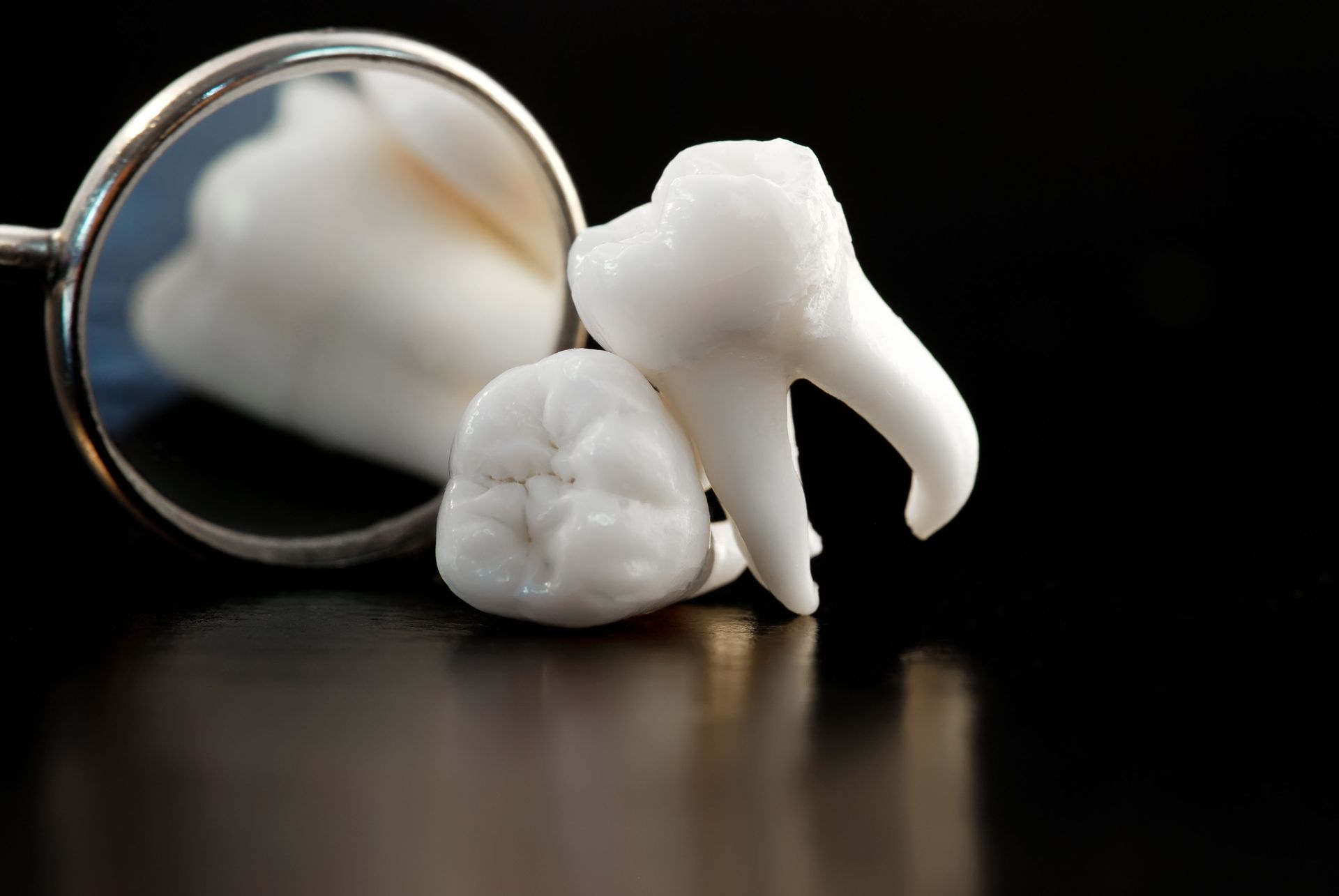
The arrival of third molars represents a major milestone in human dental development, yet these final teeth frequently create complex oral health challenges. Emerging late in adolescence or early adulthood, third molars often lack sufficient space within the dental arch to erupt cleanly into proper alignment. As a result, these hidden teeth frequently become impacted beneath dense bone, shift sideways into adjacent molars, or only partially break through delicate gum tissue. Leaving compromised third molars unaddressed exposes surrounding bone structures, healthy teeth, and soft tissue to chronic infection, uncomfortable pressure, and progressive structural damage. Recognizing the subtle warning signs of troublesome third molars allows individuals to seek professional intervention before minor discomfort turns into severe dental emergencies. According to the Cleveland Clinic, recovery after oral surgery varies, but most people start feeling back to normal within two to three days. Taking proactive steps to address impacted or misaligned third molars prevents long-term complications, preserves surrounding teeth, and protects overall systemic health. Scheduling a comprehensive evaluation for wisdom teeth removal services ensures that troublesome third molars are safely extracted by experienced oral health specialists.
Experiencing Persistent Jaw Pain and Facial Pressure
Feeling continuous discomfort around the back corners of the jaw often signals that third molars are attempting to force their way through crowded bone structures. As these large teeth push against neighboring molars, they generate intense mechanical pressure that radiates throughout the lower jawline, upper cheeks, and temple regions. This constant internal pressure can trigger persistent dull aches, sharp throbbing sensations during chewing, or tension headaches that mimic sinus issues. When third molars grow at awkward angles, they press directly against delicate facial nerves and adjacent tooth roots, compounding daily discomfort. Ignoring this localized facial tension risks progressive nerve irritation and severe structural misalignment across the entire dental arch. Seeking timely diagnostic imaging allows surgical specialists to locate impacted roots and plan safe extraction strategies. Consulting a specialized team for wisdom teeth removal services relieves agonizing jaw pressure and stops chronic facial pain at its source.
Noticing Swollen Gums and Chronic Inflammation
Observing red, tender, or puffy gum tissue in the back corners of the mouth indicates that third molars are causing soft tissue irritation. When a tooth partially breaks through the surface, it creates a small flap of loose gum tissue over the crown. This partially open pocket acts as a trap for food debris, oral bacteria, and plaque, making proper cleaning with a toothbrush or dental floss nearly impossible. As trapped bacteria multiply inside this hidden flap, the surrounding tissue becomes chronically inflamed, swollen, and prone to bleeding during routine brushing. Left untreated, this localized gum infection can spread deeper into surrounding tissue layers, causing severe swelling that extends down the throat or into the neck. Professional oral evaluations determine whether partially erupted teeth can ever fully emerge or if surgical extraction is necessary to restore soft tissue health. Scheduling professional wisdom teeth removal services removes the underlying cause of chronic inflammation, protecting delicate gum tissue from recurring infections.
Struggling With Difficulty Opening the Mouth and Chewing
Finding it painful or difficult to fully open your mouth—a condition known as trismus—serves as a clear warning sign of deep oral inflammation around third molars. As infection or structural pressure builds around impacted upper or lower teeth, severe inflammation spreads into adjacent jaw muscles and joint assemblies. This localized muscle stiffness makes simple daily activities like chewing, swallowing, speaking, or yawning uncomfortable and frustrating. Furthermore, misaligned third molars alter your natural bite alignment, forcing your jaw to shift unnaturally when chewing food. This improper chewing motion places excess strain on the temporomandibular joints, leading to painful jaw popping, clicking, and persistent joint fatigue. Seeking specialized surgical care resolves internal tissue pressure, allowing jaw muscles to relax and return to normal movement patterns. Requesting an evaluation for wisdom teeth removal services restores comfortable jaw mobility and makes daily eating effortless.
Developing Unpleasant Breath and Foul Oral Taste
Detecting persistent bad breath or a lingering unpleasant taste in your mouth often stems from hard-to-reach bacterial accumulation around third molars. Because third molars reside at the very back of the mouth, cleaning them thoroughly presents significant mechanical challenges. When teeth are partially impacted or crowded together, food particles become firmly wedged between tight enamel surfaces where normal flossing cannot reach. Bacterial decomposition of trapped organic material releases foul sulfur compounds, causing chronic bad breath that resists mouthwashes and frequent brushing. Additionally, active infections underneath inflamed gum flaps continuously release unpleasant fluids into the mouth, creating a persistent sour or metallic taste. Addressing these hidden bacterial reservoirs requires removing the impacted structural traps that harbor decay-causing microorganisms. Partnering with specialists for wisdom teeth removal services eliminates hidden food traps, purifies breath, and restores fresh, healthy oral conditions.
Observing Overcrowding and Shifting of Adjacent Teeth
Watching previously straight front teeth slowly turn, overlap, or push forward indicates that hidden third molars are exerting continuous pressure across the dental arch. As large third molars push forward in search of space, they transfer powerful lateral forces through every adjacent tooth along the jawline. This continuous pressure can ruin previous orthodontic work, forcing straight teeth out of alignment and causing uneven bite patterns. Furthermore, when third molars lean directly into second molars, they create tight spaces that trap plaque, accelerating decay on adjacent healthy tooth roots. Over time, this intense root contact can cause external root resorption, permanently damaging the structural stability of vital second molars. Early surgical removal of space-deprived third molars protects your existing smile geometry and prevents costly secondary orthodontic work. Arranging timely wisdom teeth removal services stops unwanted tooth movement and preserves the structural alignment of neighboring teeth.
Identifying Cysts and Jawbone Damage on X-Rays
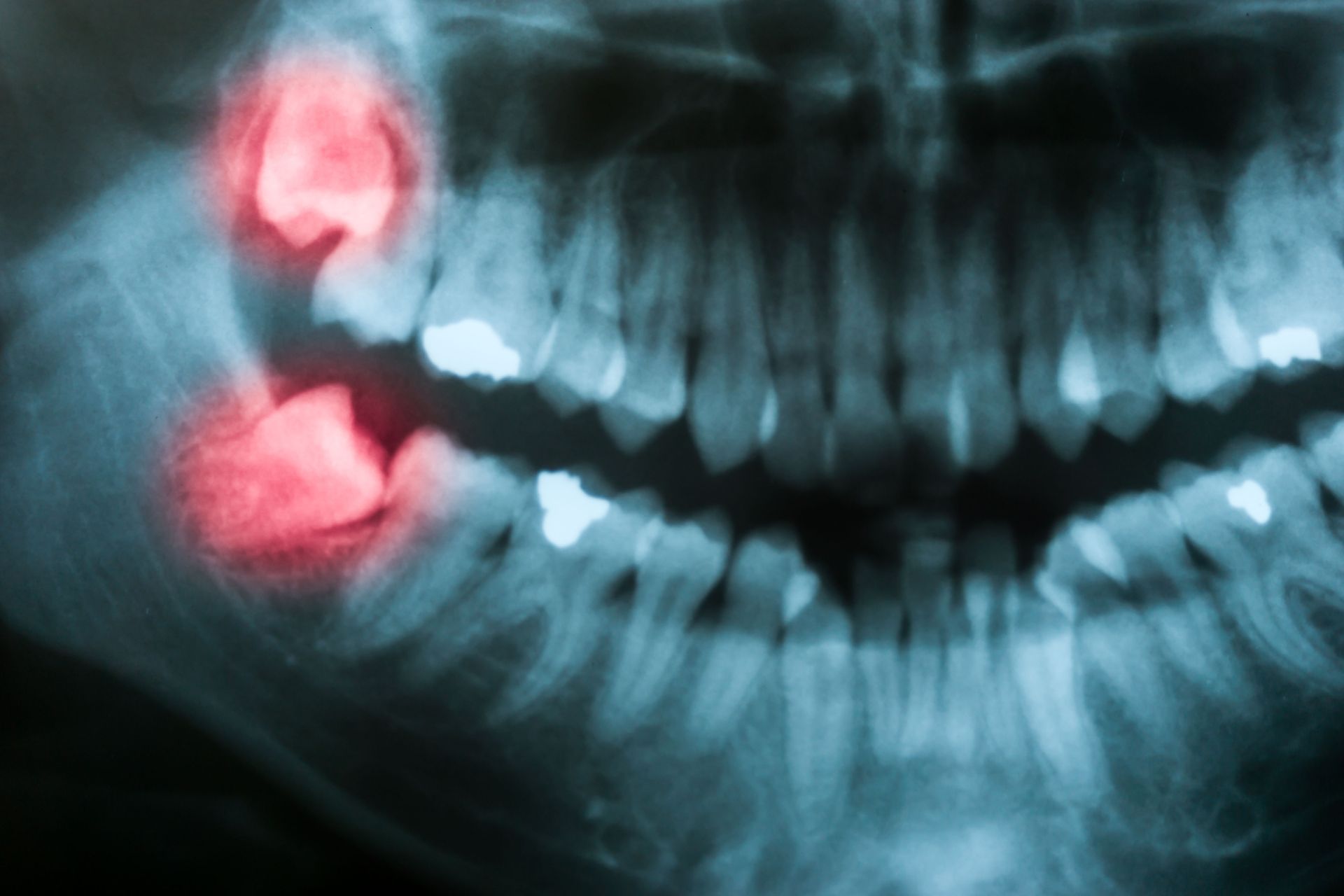
Discovering fluid-filled sacs or cysts around impacted third molar crowns during routine dental X-rays highlights hidden structural threats beneath the gumline. Every third molar develops inside a fluid sac within the jawbone, which normally disappears as the tooth erupts. However, when a tooth remains trapped within dense bone, this sac can fill with fluid, expanding into a destructive cyst. As cysts grow larger, they destroy surrounding jawbone tissue, damage adjacent tooth roots, and compromise delicate nerve channels passing through the lower jaw. In severe cases, untreated cysts can weaken the jawbone to the point of fracture or transform into benign structural tumors that require extensive surgical reconstruction. Advanced digital imaging allows oral surgeons to detect these silent osseous lesions early before extensive bone loss occurs. Utilizing advanced wisdom teeth removal services ensures that impacted crowns and surrounding cyst walls are completely excised, protecting jawbone density and structural integrity.
Recognizing the primary warning signs of problematic third molars—including chronic jaw pain, swollen gums, restricted jaw movement, persistent bad breath, shifting teeth, and subterranean cyst formation—ensures timely intervention before severe oral health complications arise. Addressing third molar issues early prevents dangerous soft tissue infections, protects neighboring tooth roots, maintains orthodontic alignment, and preserves long-term jawbone strength. Taking a proactive approach to your oral health eliminates daily discomfort and protects your smile for years to come. Safeguarding your dental well-being requires partnering with experienced surgical specialists who prioritize patient safety, precise surgical execution, and compassionate care. At Jameson Oral & Implant Surgery, we take immense pride in delivering top-tier oral surgery solutions, precise digital diagnostics, comfortable extraction procedures, and dedicated post-operative support across every treatment we provide. Contact us today to schedule your comprehensive wisdom tooth evaluation, discuss your personalized surgical plan, and discover how our experienced team can keep your mouth healthy and pain-free.