April 2, 2026
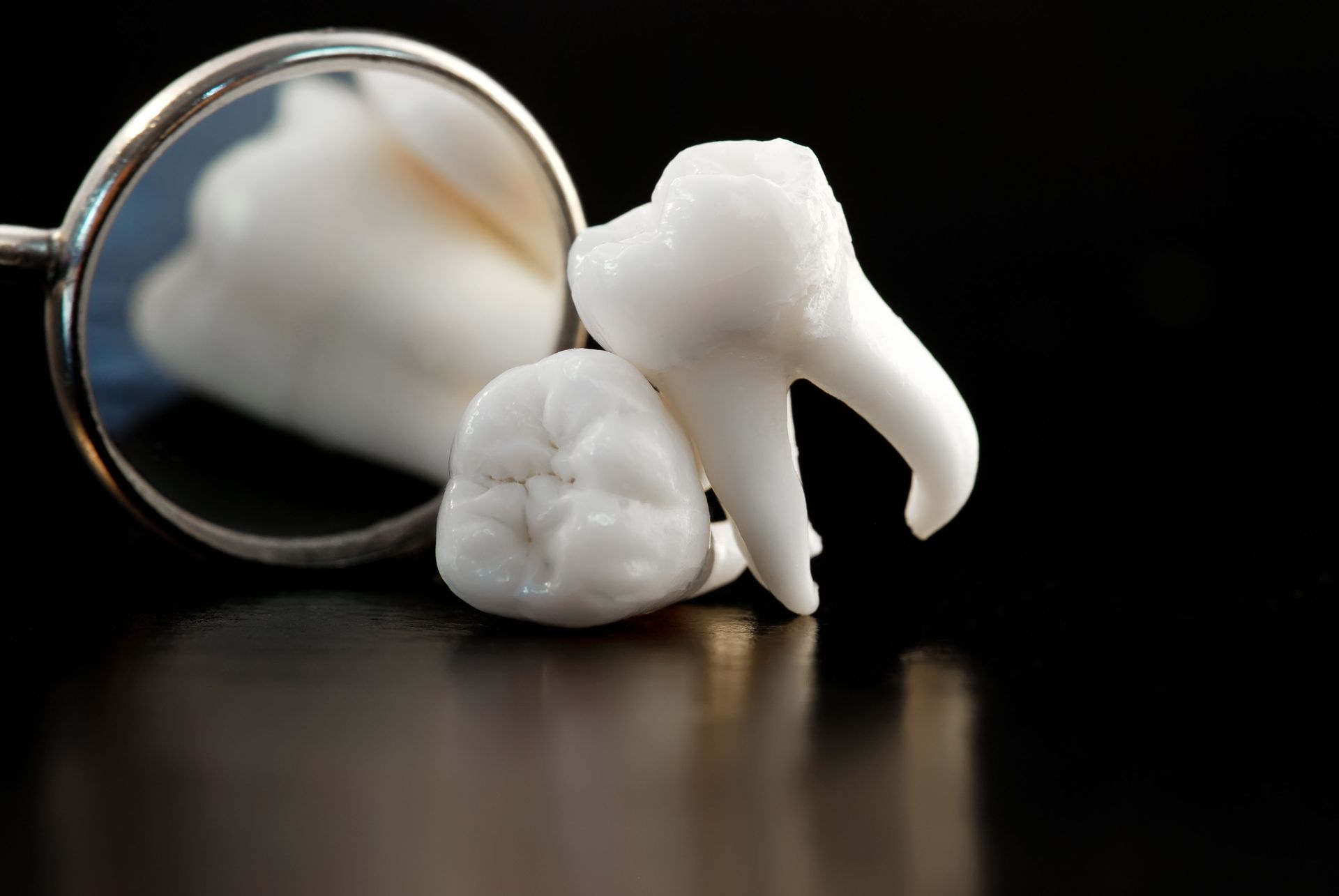
Wisdom teeth, also known as third molars, are the last set of teeth to develop in the human mouth. While they were once useful for our ancestors who needed extra chewing power, modern dental structures often do not have enough space to accommodate them properly. As a result, these teeth can create a range of oral health concerns if not carefully monitored and managed.
According to the American Dental Association, wisdom teeth typically emerge between the ages of 17 and 21. During this time, patients may begin to experience discomfort, swelling, or other changes in their oral health. For many individuals, wisdom teeth removal surgery becomes a necessary step to prevent complications and maintain a healthy smile.
At Jameson Oral & Implant Surgery, our team specializes in evaluating and treating wisdom teeth concerns with precision and care. We understand that every patient's situation is unique, which is why we take a personalized approach to treatment planning and surgical care.
Why Wisdom Teeth Often Need to Be Removed
One of the most common questions patients ask is why wisdom teeth frequently require removal. The answer lies in how these teeth develop and the limitations of modern jaw structure.
In many cases, there simply is not enough room in the mouth for wisdom teeth to emerge properly. When this happens, they may become impacted, meaning they are trapped beneath the gums or grow at an angle. Impacted teeth can push against neighboring teeth, disrupt alignment, and create areas where bacteria can accumulate.
This is where wisdom teeth removal plays a critical role. By removing problematic teeth before they cause more serious issues, our team helps protect the integrity of your entire dental structure. Early intervention often leads to smoother outcomes and reduces the risk of long-term complications.
The Impact of Impacted Wisdom Teeth
Impacted wisdom teeth are one of the leading reasons patients seek treatment. When these teeth cannot fully erupt, they can create a variety of oral health problems that extend beyond simple discomfort.
Patients may experience swelling, jaw stiffness, and difficulty opening their mouths. In some cases, partially erupted teeth create pockets where food and bacteria become trapped, increasing the risk of infection and gum disease. Over time, this can lead to damage to surrounding teeth and bone.
Through wisdom teeth removal surgery, our team is able to eliminate these risks by safely removing impacted teeth and restoring a healthier oral environment. Addressing impaction early can significantly improve overall dental health and prevent more complex issues from developing.
How Wisdom Teeth Affect Surrounding Teeth
Wisdom teeth do not exist in isolation; their position can directly impact the health and alignment of neighboring teeth. When there is insufficient space, these molars may push against adjacent teeth, leading to crowding and shifting.
This pressure can undo years of orthodontic work and create alignment problems that affect both appearance and function. Additionally, crowded teeth are more difficult to clean effectively, increasing the likelihood of plaque buildup and decay.
Our approach to wisdom teeth removal focuses on preserving the alignment and stability of your smile. By removing teeth that threaten to disrupt your dental structure, we help maintain the results of prior treatments and support long-term oral health.
What Prevents Infection and Gum Disease
One of the most significant risks associated with problematic wisdom teeth is infection. Partially erupted teeth create openings in the gums that allow bacteria to enter, leading to inflammation and potential infection.
This condition, often referred to as pericoronitis, can cause pain, swelling, and difficulty chewing. If left untreated, the infection may spread and impact other areas of the mouth.
Wisdom teeth removal surgery is an effective way to eliminate the source of infection and reduce the likelihood of recurrence. At Jameson Oral & Implant Surgery, we prioritize patient safety and use advanced techniques to ensure that the procedure is both effective and comfortable.
How Jaw and Bone Health Are Interconnected
Wisdom teeth can also affect the underlying structures of the jaw. Impacted teeth may develop cysts or other abnormalities that can damage the surrounding bone and nearby teeth.
These issues are not always immediately noticeable, which is why regular evaluations are so important. Early detection allows our team to recommend wisdom teeth removal before significant damage occurs.
By addressing these concerns proactively, we help preserve the strength and stability of your jaw, which is essential for overall oral health and function.
The Importance of Early Evaluation
Not all wisdom teeth need to be removed, but early evaluation is key to determining the best course of action. Through detailed examinations and imaging, our team can assess how your wisdom teeth are developing and whether they are likely to cause problems.
At Jameson Oral & Implant Surgery, we use advanced diagnostic tools to evaluate tooth position, root structure, and potential risks. This allows us to create a treatment plan that is tailored to your specific needs.
When wisdom teeth removal surgery is recommended early, patients often experience fewer complications and a smoother recovery process. Proactive care helps ensure the best possible outcomes.
What to Expect During Wisdom Teeth Removal Surgery
Understanding what happens during the procedure can help patients feel more confident and prepared. Wisdom teeth removal surgery is a routine oral surgical procedure performed with a focus on patient comfort and safety.
Our team provides appropriate anesthesia options to ensure that you remain comfortable throughout the process. The procedure involves carefully accessing and removing the wisdom teeth while minimizing disruption to surrounding tissues.
After the surgery, we provide detailed aftercare instructions to support healing and recovery. Our goal is to make the entire experience as smooth and stress-free as possible.
Recovery is an important part of the treatment process, and proper care following surgery helps ensure optimal healing. Most patients find that they can return to normal activities within a relatively short period, with continued improvement over time.
The long-term benefits of wisdom teeth removal surgery extend far beyond immediate relief. Patients often experience improved oral hygiene, reduced risk of infection, and better overall dental health.
By removing problematic teeth, we help create an environment where the rest of your teeth can function and thrive without interference.
Why Choose Jameson Oral & Implant Surgery
Choosing the right provider for your care is an important decision. At Jameson Oral & Implant Surgery, our team is dedicated to delivering high-quality surgical care with a focus on patient comfort and successful outcomes.
We bring extensive experience in oral and implant surgery, ensuring that every procedure is performed with precision and attention to detail. From your initial consultation to post-operative care, we are here to support you every step of the way.
Our approach to wisdom teeth removal emphasizes clear communication, personalized treatment, and a commitment to excellence. We take the time to answer your questions and ensure that you feel confident in your care.
Your oral health plays a vital role in your overall well-being, and addressing wisdom teeth concerns is an important part of maintaining a healthy smile. If you are experiencing discomfort or have been advised to consider treatment, now is the time to take action.
At Jameson Oral & Implant Surgery, our team is ready to provide expert evaluation and care tailored to your needs. With our experience and patient-focused approach, we are committed to helping you achieve lasting oral health.
Contact us today to schedule your consultation and learn more about how wisdom teeth removal surgery can protect your smile for years to come.