June 2, 2026
Getting your third molars is a recognized rite of passage for young adults. These late-blooming teeth usually emerge between your late teens and early twenties. For a lucky few, they grow straight and function like normal teeth. However, most people lack the jaw space to accommodate extra molars. The teeth can become impacted, grow at odd angles, or crowd your existing smile. This leads to pain, infection, or damage to adjacent teeth. Addressing these issues early prevents complications.
Dental professionals frequently recommend extracting them before problems escalate. You might feel anxious about oral surgery, but understanding the steps involved reduces stress. Modern practices prioritize patient comfort and use advanced technology to make the experience seamless. Exploring professional wisdom teeth removal services gives you a clear picture of what lies ahead. Knowing how the process works helps you prepare mentally and physically for a smooth experience.
The Initial Consultation: Evaluating Your Third Molars
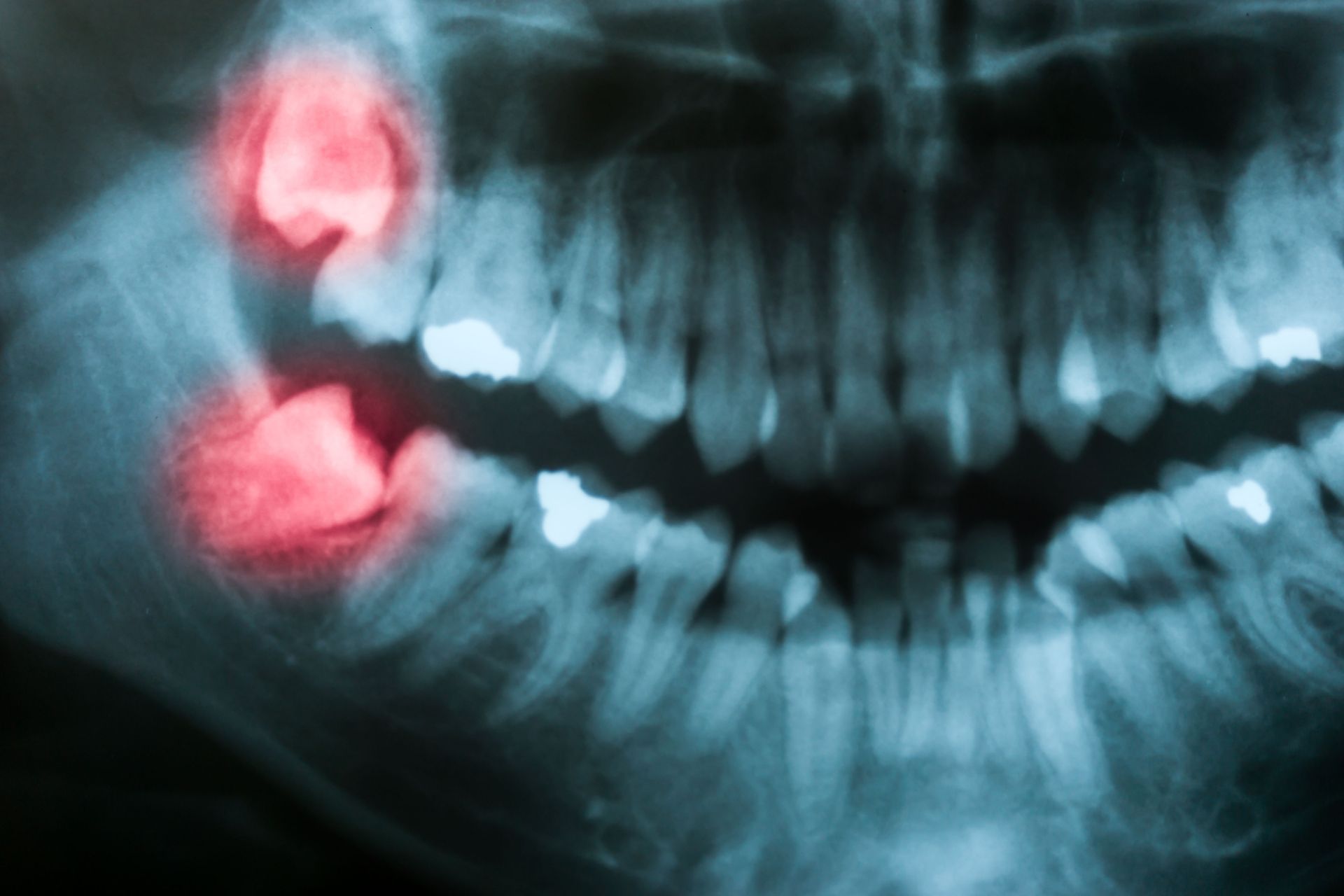
Your journey begins with a comprehensive dental examination. During this visit, your oral surgeon examines your mouth and reviews your dental history. They take panoramic X-rays or 3D scans to get a clear view of your teeth, roots, and jawbone. These images are crucial for determining the exact position of your molars. Superior wisdom teeth removal services rely on these scans to identify hidden complications like cysts or proximity to nerve pathways. This evaluation allows the team to create a personalized treatment plan.
This appointment is also the time to learn how common this procedure is. According to the National Library of Medicine, an average of 10 million wisdom teeth are extracted in the U.S. each year. This statistic proves you aren't alone in needing treatment. Your surgeon handles these cases daily and has the expertise to navigate any anatomical challenges you present. They evaluate whether you need all four removed at once or if a staggered approach suits your situation better.
The consultation provides an open forum to ask questions and express concerns. Your surgeon explains the benefits and potential risks of the surgery. You'll discuss pre-operative instructions, such as fasting requirements and medication management. By taking advantage of specialized dental care, you ensure every detail is planned meticulously before you sit in the surgical chair.
The Day of Surgery: Choosing Your Anesthesia and Comfort Options
When the scheduled day arrives, you'll likely feel a mix of anticipation and nervousness. It helps to remember that the clinical staff is trained in managing patient anxiety. When scheduling your appointment, you can usually request a morning slot so you don't have to fast all day. You arrive at the clinic with a responsible friend or family member who will drive you home. The team guides you to the surgical suite and checks your vital signs.
A major aspect of your experience revolves around comfort, which depends on your chosen anesthesia. If your case is simple, you might only need local anesthesia to numb the extraction site. For a relaxed experience, nitrous oxide is available to help you feel calm while awake. However, many patients opt for intravenous sedation or general anesthesia. These stronger options allow you to sleep through the appointment and wake up with no memory of the surgery. Excellent wisdom teeth removal services provide multiple sedation choices.
The staff administers your selected anesthesia and waits until it takes full effect before proceeding. They constantly monitor your heart rate, blood pressure, and oxygen levels throughout the duration. This supervision guarantees a safe environment while the oral surgeon gets to work. Knowing a dedicated team watches over your vitals allows you to relax and let the professionals handle the hard work.
The Extraction Process: What Happens During the Procedure
Once sedated and comfortable, the surgeon begins the extraction. The exact method depends on how your teeth developed. If a tooth has erupted through the gums, the surgeon simply loosens it with an instrument and pulls it out with dental forceps. This straightforward approach is quick and requires minimal intervention. Patients with fully erupted molars usually spend very little time in the chair and experience an efficient operation.
For impacted teeth trapped beneath the gums or jawbone, the surgeon takes a complex approach. They make a small incision in the gum tissue to expose the hidden tooth and bone. Often, they need to remove a small amount of bone to free the root. When the molar is awkwardly positioned, the surgeon divides the tooth into smaller sections to minimize trauma and improve healing. This technique is standard practice for modern wisdom teeth removal services.
After removing the molars, the surgeon cleans the extraction sites to flush out debris and prevent infections. Next, they close the incisions with stitches to promote proper healing. These sutures are usually dissolvable and disappear on their own within days. The surgeon then places gauze pads over the sites to control bleeding. The surgical phase usually takes less than an hour. Afterward, the anesthesia team slowly reduces your sedation so you wake up safely.
The Recovery Period: Vital Steps for Post-Operative Healing
The first day at home dictates the tone for your healing process. You can expect some swelling, mild bruising, and discomfort as the anesthesia wears off. Applying ice packs to your cheeks in alternating intervals reduces inflammation significantly. You must dedicate this first day to rest, avoiding strenuous physical activity that could elevate your heart rate and cause increased bleeding. Sitting upright is the perfect way to spend your initial recovery hours.
Your diet also changes for the first few days. You need to consume soft foods like applesauce, yogurt, mashed potatoes, and blended soups. Don't use straws during this time. The suction created by a straw can dislodge the blood clots forming in your extraction sites. Losing a blood clot can cause a painful condition called dry socket, which requires immediate professional intervention. Sticking to soft foods keeps your extraction sites protected.
Managing your pain and keeping your mouth clean are your next priorities. A major benefit of utilizing comprehensive wisdom teeth removal services is the detailed aftercare packet you receive before heading home. Your surgeon prescribes pain medication or recommends anti-inflammatory drugs to keep you comfortable. Following their instructions ensures you know exactly when to take your medication and how to gently rinse your mouth with warm salt water. As the days pass, your swelling subsides and your energy returns.
Getting your wisdom teeth extracted is a major milestone that improves your long-term oral health. While the idea of oral surgery is naturally intimidating, breaking the process down into manageable phases makes it approachable. From the moment you sit down for your initial consultation to the final days of your recovery at home, every step is designed to maximize safety and comfort. You have modern medicine and skilled dental professionals working in your favor to ensure a positive outcome.
Preparation and knowledge are your best tools for overcoming surgical anxiety. Seeking out reliable oral surgery experts provides you with the expertise needed to navigate this common procedure smoothly. You'll realize that a few days of downtime are a small price for a lifetime of healthy smiles.
Contact Jameson Oral & Implant Surgery today to schedule your initial consultation and take control of your dental health. We provide professional wisdom teeth removal services designed to make your entire experience as smooth and comfortable as possible.