June 3, 2026
When most people think about dental care, they picture standard cleanings and routine checkups. However, comprehensive dental health extends far beyond the surface of the teeth and gums. There are many instances where complex structural, functional, or pathological issues require specialized surgical intervention that goes beyond standard care. This is where an oral surgeon becomes an invaluable asset to your overall health. These highly trained professionals undergo years of additional education to master the intricate framework of the face, mouth, and jaw. Their extensive training allows them to diagnose, treat, and manage a wide variety of conditions affecting the maxillofacial region. Recognizing the specific treatments they provide can help you feel more comfortable when a specialized procedure is recommended. By exploring the essential procedures these experts handle every day, you gain a deeper appreciation for the impact they have on restoring function, alleviating pain, and enhancing your quality of life.
1. Removing Impacted Wisdom Teeth
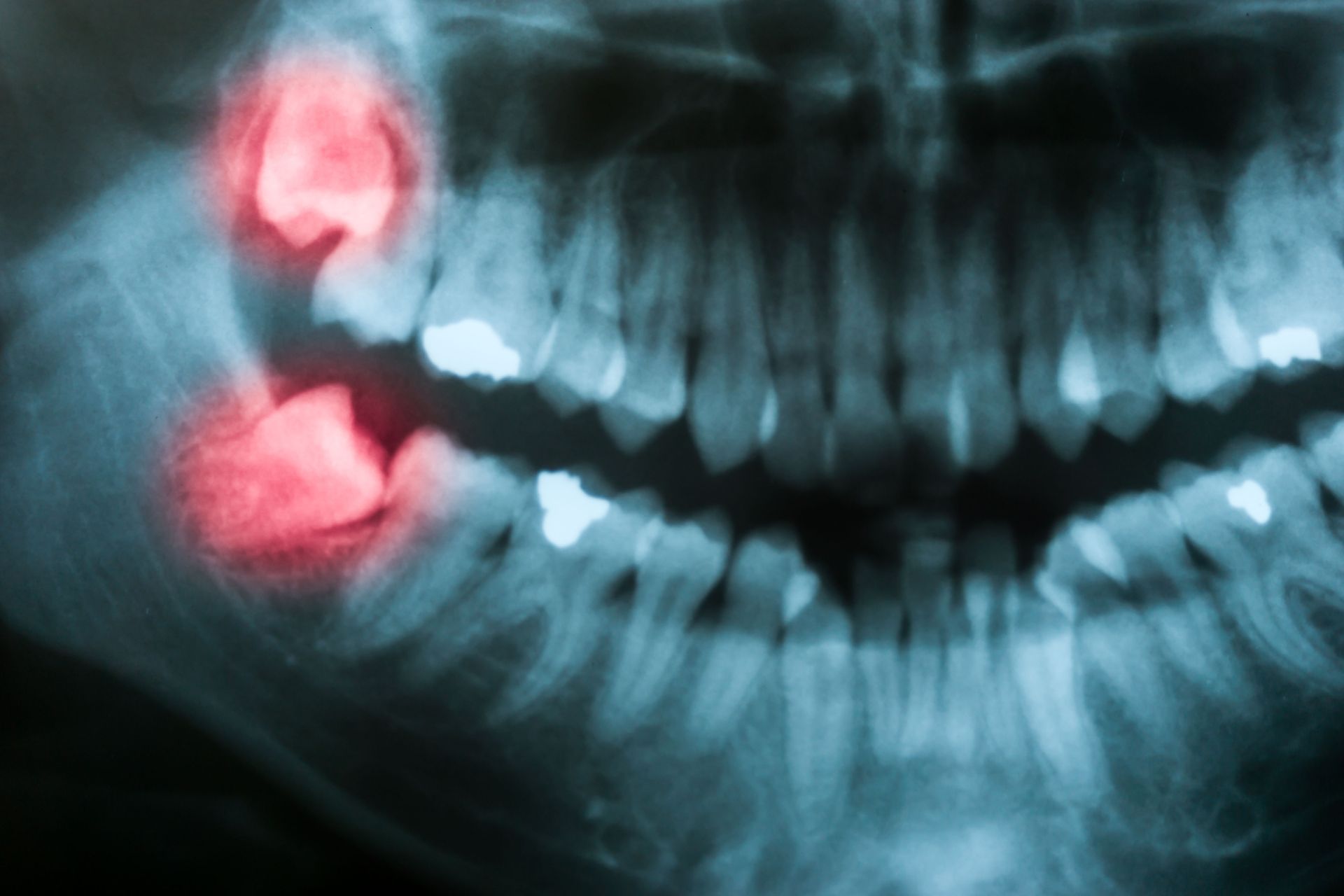
One of the most common reasons a patient might be referred to a specialist involves the extraction of third molars. These later-erupting teeth often lack the space to emerge properly through the gum line, leading them to become trapped or impacted within the jawbone. When left unaddressed, impacted wisdom teeth can cause severe pain, swelling, and damage to adjacent healthy teeth. They can also create deep pockets where harmful bacteria thrive, leading to painful infections. An oral surgeon possesses the exact expertise needed to safely navigate the complex nerve pathways and bone structures surrounding these troublesome teeth. By utilizing advanced imaging and precise surgical techniques, they extract the molars efficiently while minimizing discomfort and promoting a swift recovery. Removing these teeth is a routine yet vital procedure that prevents future dental complications and preserves the alignment of your smile.
2. Placing Dental Implants
Tooth loss can significantly affect your ability to speak clearly, chew food properly, and smile with confidence. To combat this issue, many patients turn to permanent replacement options that mimic the look and function of natural teeth. The process of integrating these artificial roots into the jawbone requires a high degree of precision and structural knowledge. A trained oral surgeon carefully evaluates the density of the jawbone to ensure it can support the titanium posts over the long term. If the bone is insufficient, they may perform grafting procedures to build up the foundation before placement. After the post is securely embedded, it fuses with the living bone, creating a stable base for the final crown. This transformative procedure restores natural biting force and prevents the bone deterioration that typically follows tooth loss, offering a durable solution for a complete smile.
3. Performing Corrective Jaw Surgery
Misalignments of the jaw can cause a host of difficulties that go far beyond aesthetic concerns. Individuals with severe skeletal discrepancies often struggle with chronic pain, difficulty chewing, impaired speech, and even obstructive sleep apnea. Orthognathic surgery aims to correct these foundational irregularities by repositioning the upper and lower jaws into a healthier, more functional alignment. Because this procedure involves altering the fundamental architecture of the face, it requires extensive planning and collaboration with orthodontic specialists. The specialist utilizes sophisticated three-dimensional imaging to map out the precise movements needed to achieve skeletal harmony. By carefully reshaping and securing the jawbones, the surgery effectively alleviates discomfort, improves airway function, and dramatically enhances facial symmetry. This intricate operation resolves profound functional impairments and drastically improves a patient's daily life.
4. Treating Facial Trauma
Accidents, sports injuries, and sudden falls can result in severe physical damage to the intricate structures of the face and mouth. When individuals sustain fractures to the jaw, cheekbones, or eye sockets, immediate and highly skilled intervention is necessary to restore appearance and function. In these critical moments, an oral surgeon steps in to stabilize the fractures, repair lacerated tissues, and meticulously reconstruct the damaged areas. Their unique understanding of facial anatomy allows them to utilize specialized techniques, such as wiring the jaw or placing tiny biocompatible plates, to ensure the bones heal in the correct position. Beyond mending physical breaks, this level of care helps prevent long-term complications with breathing, chewing, and vision. Their rapid response to facial trauma is essential for helping patients recover physically and emotionally from unexpected injuries.
5. Conducting Oral Biopsies
Routine dental examinations occasionally reveal unusual patches, persistent sores, or abnormal growths within the soft tissues of the mouth. When a suspicious lesion is discovered, it is crucial to determine its exact nature to rule out serious conditions or to catch potential issues early. To achieve a definitive diagnosis, a tissue sample must be collected and sent to a specialized laboratory for microscopic analysis. Your oral surgeon is highly trained in performing these delicate biopsies with minimal disruption to the surrounding healthy tissue. They prioritize patient comfort throughout the swift procedure, ensuring the area is properly numbed and the sampling is done cleanly. Once the results are returned, they help interpret the findings and guide the patient toward subsequent treatments. Early detection through this diagnostic procedure is a cornerstone of proactive healthcare and can be life-saving.
6. Alleviating Temporomandibular Joint Disorders
The joint connecting your lower jaw to your skull is one of the most frequently used and complex joints in the human body. When this joint becomes inflamed or damaged, it leads to a condition known as a temporomandibular joint disorder, which can cause excruciating pain, restricted movement, and a loud clicking or popping sound when eating. While many mild cases can be managed with conservative treatments like physical therapy or custom mouthguards, severe or persistent cases often require an advanced approach. The specialist can utilize minimally invasive techniques to flush out inflammatory byproducts or perform direct repairs to the joint's internal structures. By addressing the root cause of the dysfunction, rather than masking the symptoms, they help restore smooth, pain-free movement to the jaw, allowing patients to converse comfortably once again.
7. Preparing The Mouth For Prosthetics
Before a patient can receive well-fitting dentures or other significant dental prosthetics, the underlying foundation must be smooth, healthy, and properly contoured. Over time, tooth loss can cause the jawbone to become uneven, creating sharp ridges or hollow areas that make wearing a prosthetic uncomfortable. Pre-prosthetic surgery is designed to reshape the bone and modify the surrounding soft tissues to create an ideal resting place for the new dental appliance. An oral surgeon meticulously smooths out irregular bone formations and removes any excess gum tissue that might interfere with the fit of the final restoration. This essential preparatory step ensures that the dentures will sit securely and comfortably against the gums, preventing painful sore spots and slippage. Proper preparation ultimately dictates the success and longevity of the final prosthetic, allowing patients to speak without hesitation.
According to Mordor Intelligence, the US dental services market—including oral surgery—reaches USD 183 billion in 2026, growing at 5.05% CAGR to USD 234.11 billion by 2031. This remarkable growth clearly highlights the increasing reliance on advanced treatments and specialized procedures to maintain comprehensive health. From removing problematic teeth to reconstructing complex facial trauma, the scope of care provided by an oral surgeon is incredibly vast and vital. They bring a level of expertise that ensures the safety, comfort, and long-term success of even the most complicated procedures. Whether you are seeking relief from chronic jaw pain or preparing for a complete smile restoration, trusting a dedicated professional is the best way to achieve the results you deserve. If you are experiencing discomfort, require a specialized extraction, or want to explore permanent replacement options, reach out to Jameson Oral & Implant Surgery today to learn more and schedule your consultation.