March 2, 2026
Tooth loss can affect far more than appearance. It can influence speech, nutrition, confidence, and even long-term oral health. Modern dentistry offers several restoration options, but dental implants stand out as one of the most reliable long-term solutions available today. Designed to replicate both the structure and function of natural teeth, they provide stability, durability, and a natural look that many patients seek when restoring their smiles.
Understanding how implants work and why they are often recommended can help patients make informed decisions about their oral health. With oral diseases impacting nearly 3.5 billion people worldwide, according to Forbes, effective restorative treatments play a critical role in improving both individual wellbeing and overall public health. This growing need for reliable solutions highlights the importance of treatments that not only restore smiles but also support lasting oral stability and function.
Understand How Implants Replace Missing Teeth
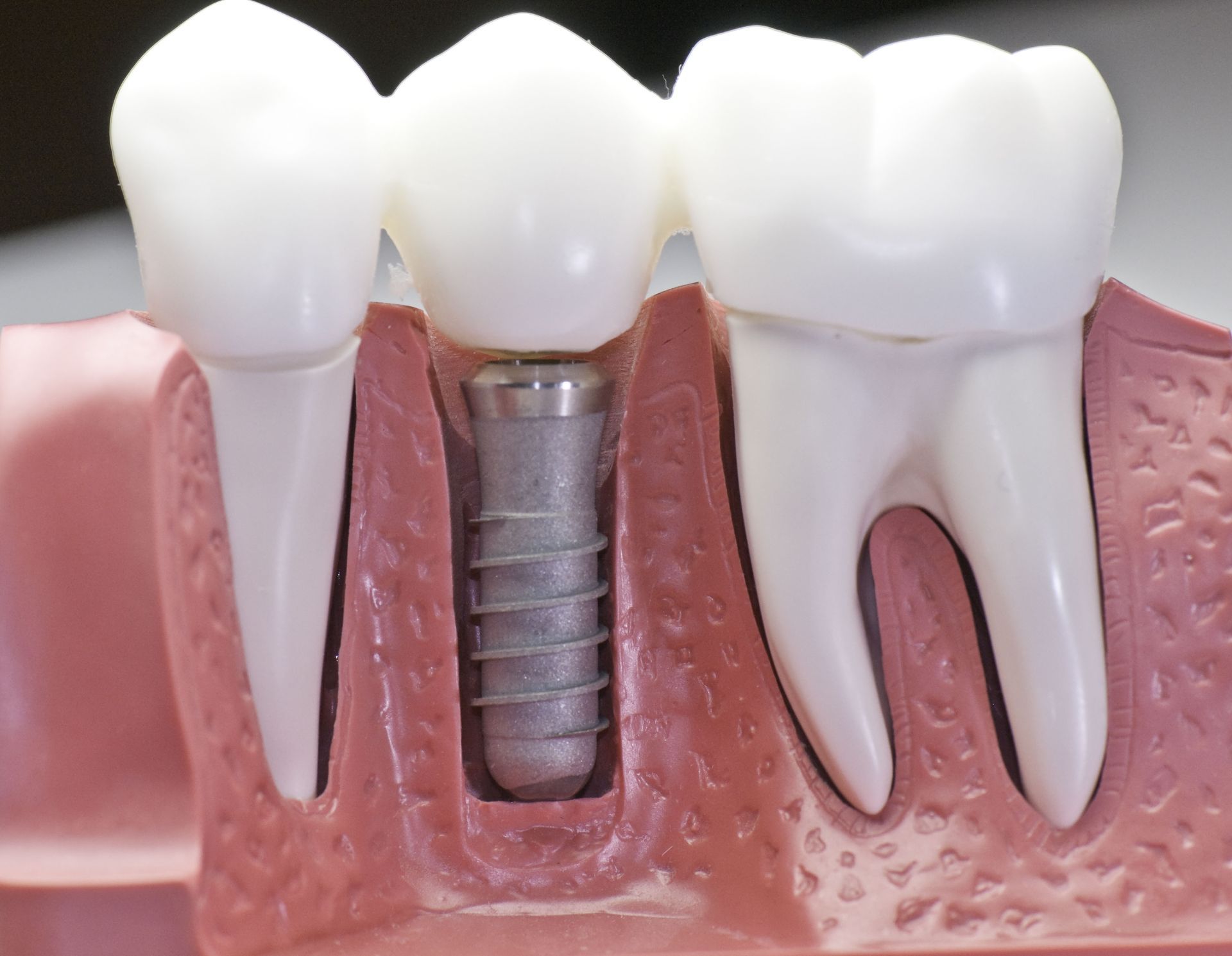
Dental restorations must do more than simply fill a visible gap. They need to replicate the role of natural tooth roots, which support chewing pressure and stimulate the jawbone. Dental implants accomplish this by using a small, biocompatible post placed within the jawbone to serve as a stable foundation for a crown. Once placed, the implant undergoes a process called osseointegration, during which the bone gradually fuses around the post. This biological bonding creates exceptional stability and prevents the shifting that can occur with removable appliances. As a result, implants function very similarly to natural teeth in both strength and reliability. Because they integrate with the jawbone, implants also help prevent bone deterioration, a common issue following tooth loss. Maintaining bone structure supports facial shape, preserves alignment of neighboring teeth, and contributes to long-term oral health stability.
Learn What Happens During the Treatment Process
Receiving dental implants typically involves multiple stages designed to ensure safety, precision, and successful outcomes. The process begins with a comprehensive consultation that includes imaging, oral health evaluation, and treatment planning. This careful preparation allows providers to determine optimal implant placement and identify any necessary preliminary procedures. The surgical phase involves inserting the implant post into the jawbone under local anesthesia or sedation. Following placement, a healing period allows osseointegration to occur, which may take several months depending on individual healing rates. During this time, patients attend follow-up appointments to monitor progress. After healing is complete, an abutment and crown are attached to finalize the restoration. The finished result is a stable, functional replacement that closely resembles natural teeth in both appearance and performance.
Recognize the Benefits for Long-Term Oral Health
One of the most significant advantages of dental implants is their longevity. With proper care, implants can last for decades, making them a durable solution compared to many alternative treatments that require periodic replacement. Implants also contribute to improved oral health by preventing adjacent teeth from shifting into empty spaces. This preservation of alignment reduces the risk of bite problems and uneven wear. In addition, implants eliminate the need to alter neighboring teeth, which is sometimes required with bridge procedures. Beyond structural benefits, implants support overall comfort and convenience. Because they are permanently anchored, they do not require adhesives, removal for cleaning, or adjustments due to movement during speaking or eating.
Restore Natural Appearance and Confidence
Tooth loss can significantly affect self-confidence, especially when visible teeth are involved. Dental implants offer a highly aesthetic solution because crowns are customized to match the color, shape, and size of surrounding teeth. This precise customization ensures seamless blending within the smile. Unlike removable appliances, implants remain firmly in place, allowing patients to speak, laugh, and eat without concerns about shifting or slipping. The restoration of a complete smile often brings psychological benefits as well. Many individuals report increased confidence in social and professional interactions after completing implant treatment, demonstrating how oral health improvements can positively influence overall quality of life.
Improve Everyday Function and Comfort
Missing teeth can make routine activities such as chewing and speaking more difficult. By securely anchoring artificial teeth, dental implants restore full bite strength and improve speech clarity. Because implants function like natural tooth roots, they allow patients to enjoy a wider variety of foods without discomfort or restrictions. This improved chewing efficiency can also support better nutrition and digestion over time. Comfort is another key advantage. Unlike removable appliances that may cause irritation or require adjustments, implants remain stable within the mouth. This stability reduces friction, eliminates pressure points, and contributes to a more natural daily experience.
Preserve Jawbone Strength and Facial Structure
Bone loss is one of the most serious long-term consequences of tooth loss. When a tooth is missing, the underlying bone no longer receives stimulation from chewing forces, leading to gradual resorption. Dental implants address this issue by providing the same type of stimulation that natural roots supply. This stimulation helps maintain bone density and prevents structural deterioration. Preserving bone strength supports facial symmetry and helps prevent the sunken appearance that can develop over time after tooth loss. Maintaining strong bone structure also improves the stability of surrounding teeth and contributes to long-term oral function. It can also help support future dental treatments if additional restorations are needed later in life.
Compare Implants With Other Replacement Options
Patients considering tooth replacement often evaluate several options, including bridges and dentures. While each solution has benefits, implants provide unique advantages in terms of durability and bone preservation. Bridges rely on neighboring teeth for support, which may require altering healthy tooth structure. Dentures, while removable and often more affordable initially, may shift during use and do not prevent bone loss. In contrast, dental implants function independently, preserving surrounding teeth while offering exceptional stability. Their long lifespan often makes them a cost-effective choice over time despite higher initial investment. This long-term reliability can reduce the need for repeated dental work and provide greater peace of mind.
Explore Who May Benefit From Implant Treatment
Many individuals with missing teeth may be candidates for dental implants, but eligibility depends on several factors. Adequate jawbone density, healthy gum tissue, and overall oral health are important considerations during evaluation. Advances in modern techniques have expanded treatment possibilities for patients who may have previously been ineligible. Procedures such as bone grafting or guided placement can help create suitable conditions for implant success. Patients experiencing tooth loss due to injury, decay, or periodontal disease often benefit from early consultation. Prompt evaluation allows providers to develop treatment plans that prevent further complications and support long-term oral health outcomes. Early planning can also help patients better understand timelines, expectations, and recovery considerations.
Dental implants offer a transformative solution for restoring both function and confidence after tooth loss. From preserving jawbone strength to enhancing daily comfort, they provide comprehensive benefits that extend beyond simple cosmetic improvement. Their durability, stability, and natural appearance make them a preferred option for many individuals seeking lasting restorative care.
At Jameson Oral & Implant Surgery, we are committed to helping patients in Wilmington, NC restore their smiles with personalized, high-quality care. Our team provides a full range of services, including oral surgery, extractions, oral pathology evaluation, wisdom teeth treatment, and emergency care, and we offer same- or next-day appointments when clinically appropriate. If you are dealing with missing teeth or have questions about your options, we encourage you to contact us today so we can help you explore solutions that support your comfort, confidence, and long-term oral health.